

The seven key measures - and what they mean for you
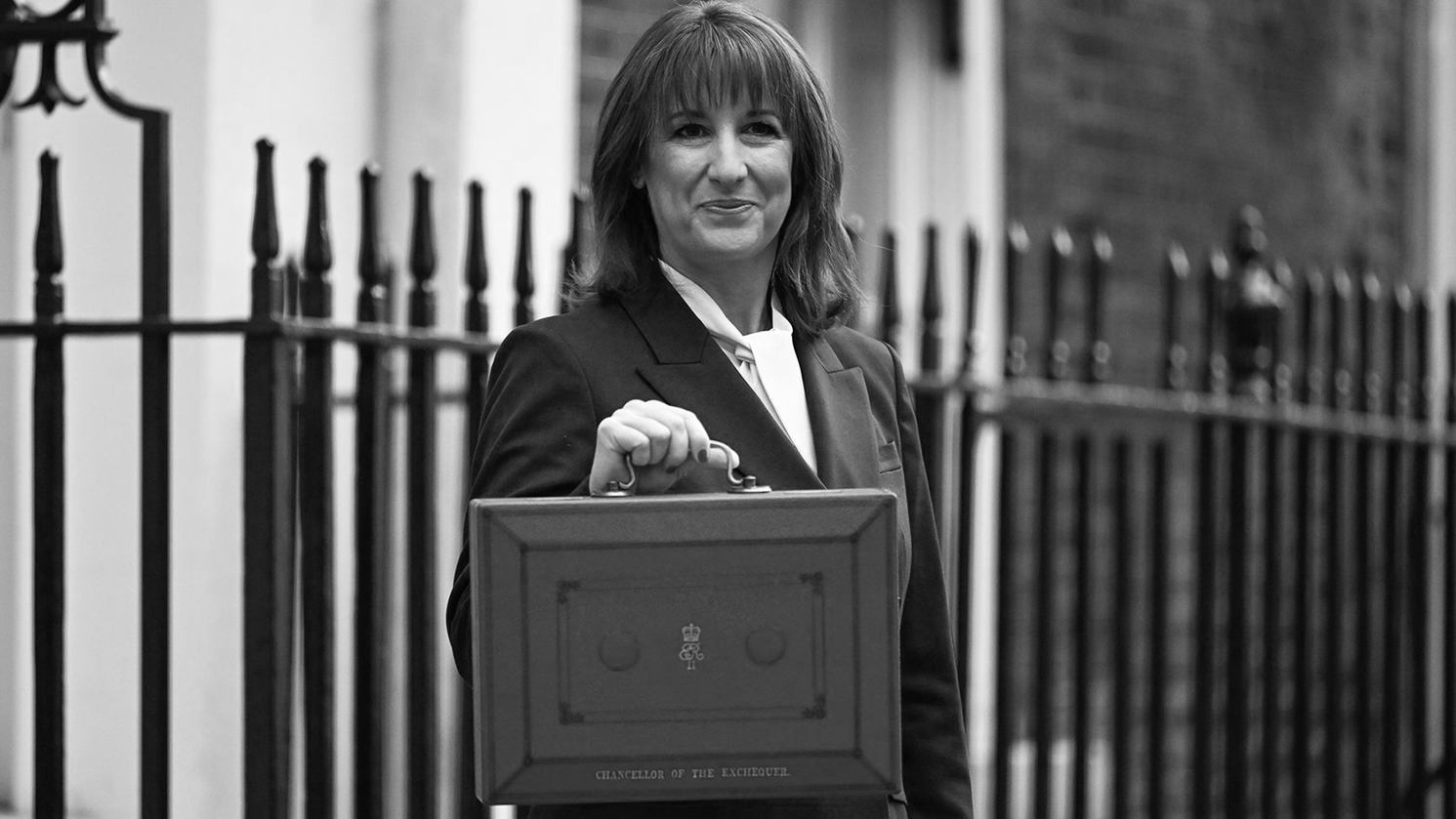
The UK’s 2025 Budget stood out for all the wrong reasons: in the hours before the Chancellor delivered her speech, major elements of the economic outlook were leaked by the Office for Budget Responsibility (OBR), which undermined the traditional Budget-day reveal.
The overall fiscal picture, however, is significant. By the end of this parliament’s term, total UK taxation is forecast to reach a record 38 per cent of GDP, the highest share in recent history. The package of tax increases is expected to raise £26 billion, while still allowing the government to meet its fiscal targets by 2029–30, with a buffer of £22 billion.
The measures do not signal direct tax rate hikes on earned income, in line with pledges made by the Labour Party. However, several reforms affect savings, investment incentives, dividends and property – all areas that retail investors, pension savers and households should understand.
Here we provide a rundown of the seven key measures.
BUDGET UPDATE 2025


The Financial Advice Team
27th November 2025
1. ISA reform (from April 2027)
The Chancellor set out plans to reform the Individual Savings Account system starting in 2027. The overall ISA allowance will remain at £20,000 per year, but £8,000 of that allowance will be ring-fenced exclusively for investments (such as shares, funds or investment trusts), leaving £12,000 for cash for those under 65.
Investors aged 65 and over will retain full access to the £20,000 cash allowance if they prefer not to invest. The reasoning is that the UK has low levels of investment participation, and shifting households away from pure cash savings could strengthen long-term financial outcomes. Over time, growth from equity investments has historically outpaced cash savings significantly, with compounding returns providing potentially far better inflation protection.
The reform also aligns with forthcoming FCA rules that enable providers to offer targeted financial guidance, potentially allowing investment platforms to support customers more actively in making appropriate investment decisions, within regulatory guardrails.
A consultation scheduled for early 2026 will propose the replacement of the existing Lifetime ISA with a new, simpler first-time buyer savings product.
What it means for investors:
Greater incentive to invest, but more limited Cash ISA flexibility if you are under 65 once rules take effect.
__________________________________________________________________________________________
2. Pension salary sacrifice NI relief cap (from April 2029)
For working-age investors saving into pensions, National Insurance relief on pension contributions made via salary sacrifice will be capped at £2,000 per year starting in 2029.
This does not affect Income Tax relief (which remains at 20/40/45 per cent depending on your tax band), nor the 25 per cent tax-free lump sum, nor mandatory employer pension contributions.
The State Pension will continue to rise with the triple lock – offering income security for retirees.
The Chancellor delayed implementation to 2029 to give employers time to prepare, but the cap will raise £4.7 billionn in NI receipts in 2029–30, and £2.6 billion in 2030–31.
What it means for investors:
Pensions remain tax-efficient, but NI incentives via salary sacrifice will be less generous from 2029.
__________________________________________________________________________________________
3. Mansion Tax (from April 2028)
From April 2028, an annual recurring mansion charge will apply to residential properties valued above £2 million. This will sit alongside existing Council Tax.
The tax will feature four bands:
£2m to £2.5m: £2,500 per year
£2.5m to £3.5m: higher incremental tier
£3.5m to £5m: higher tier again
£5m+: £7,500 per year
While anticipated, the tax is expected to generate only £400–£500 million annually, small relative to overall revenues. Commentators flagged the risk of valuation disputes, appeals costs, administrative burdens, and ‘price cliffs’ around the thresholds, potentially discouraging market transactions or home improvements that push a property into higher bands.
Ownership of homes via trusts or corporate vehicles may eventually also be included following consultation.
What it means for investors:
Most retail clients are unaffected, but those holding high-value property, directly or via investment vehicles, should monitor consultations.
__________________________________________________________________________________________
4. Surcharge of 2% on rental, savings and dividend income
For investors who are landlords, a 2-percentage-point surcharge is being applied to Income Tax on rental profits.
The same uplift applies to:
Dividend income (taxable distributions outside ISAs and pensions)
Taxable savings interest outside ISA or pension wrappers
This is not a rise in headline Income Tax rates on salaries or earned income. Instead, it primarily impacts money extracted from investments or businesses where dividends are used for personal remuneration. Advisers predict a behavioural shift: company owners may retain profits inside companies rather than distributing them, slowing the flow of capital back into household spending or the wider economy.
This rise specifically affects post-profit entrepreneurial reward, as dividends are paid after Corporation Tax and business risk have already been absorbed.
What it means for investors:
Returns from dividends, rental income and interest outside tax wrappers will be less efficient once applied.
__________________________________________________________________________________________
5. Stamp Duty exemption on new London Stock Exchange listings
For companies newly listing on the London Stock Exchange (LSE), investors will no longer pay the 0.5 per cent Stamp Duty charged when purchasing shares at IPO.
This applies only to new listings, not existing LSE securities. Industry groups welcomed the change but continue to advocate for full abolition of Stamp Duty on UK shares, particularly within pension and ISA wrappers to boost UK equity participation.
What it means for investors:
Lower transaction costs for new UK IPOs could encourage portfolio diversification into new listings.
__________________________________________________________________________________________
6. Income Tax thresholds frozen until April 2031
Although the Budget kept Income Tax rates unchanged, it extended the freeze on tax thresholds to 2031. The main frozen thresholds include:
Personal Allowance: £12,570
Higher Rate Entry: £50,270
Additional Rate Entry: £125,140
The freeze will gradually push more people into higher tax bands as wages grow, via ‘fiscal drag’. Middle-income earners close to £50,000 are projected to feel the worst effects over time. Pensioners will also increasingly breach the £12,570 Personal Allowance from 2027–28 when the State Pension is expected to exceed it.
HMRC will not aggressively pursue very small tax liabilities for pensioners with State Pension only, but anyone with other income streams (such as workplace pensions or savings) may owe tax on the excess.
What it means for investors:
No rate rise, but real take-home incomes may reduce over time without tax wrappers to shelter returns.
__________________________________________________________________________________________
7. VCT & EIS reform (from April 2026)
Upfront Income Tax relief on Venture Capital Trust (VCT) investments will fall from 30 per cent to 20 per cent starting April 2026.
Company investment limits within VCT and EIS schemes will rise to £10 million per year (£20 million for knowledge-intensive firms) with lifetime investment caps also raised. However, past precedent suggests that cutting relief can materially reduce fundraising; previously, a relief cut led to a two-thirds drop in fundraising that took 16 years to recover.
What it means for investors:
High-risk venture investing remains supported, but entry incentives are smaller from 2026.
__________________________________________________________________________________________
The bottom line…
This Budget sends three big signals for clients:
Investing is being encouraged over holding savings in cash
Tax wrappers like ISAs and pensions are even more important
Investment income flows (dividends, rental, interest) outside tax shelters will face higher levels of tax, through fiscal drag and/or higher rates
This publication is intended to be Hexagon Wealth’s own commentary on markets for clients. Hexagon Wealth Limited is authorised and regulated by the Financial Conduct Authority. FCA number 483403. Hexagon Wealth Limited is registered in England and Wales under company number 04503414. Whilst Hexagon Wealth uses reasonable efforts to obtain information from sources which it believes to be reliable, it makes no representation that the information or opinions contained in this document are accurate, reliable or complete and will not be liable for any errors, nor for any actions taken in reliance thereon. Such information and opinions are subject to change without notice. We expect readers to rely on their personal views on the subject when reading the opinions expressed above and contact their financial adviser before taking any action. It is not investment research and should not be construed as an offer or solicitation to buy, sell or trade in any of the investments, sectors or asset classes mentioned. The value of any investment and the income arising from it is not guaranteed and can fall as well as rise, so that you may not get back the amount you originally invested. Past performance is not a reliable indicator of future results. Movements in exchange rates can have an adverse effect on the value, price or income of any non-sterling denominated investment. Nothing in this document constitutes advice to undertake a transaction, and if you require professional advice please contact your financial adviser.